







Search Results for: Hogood Company
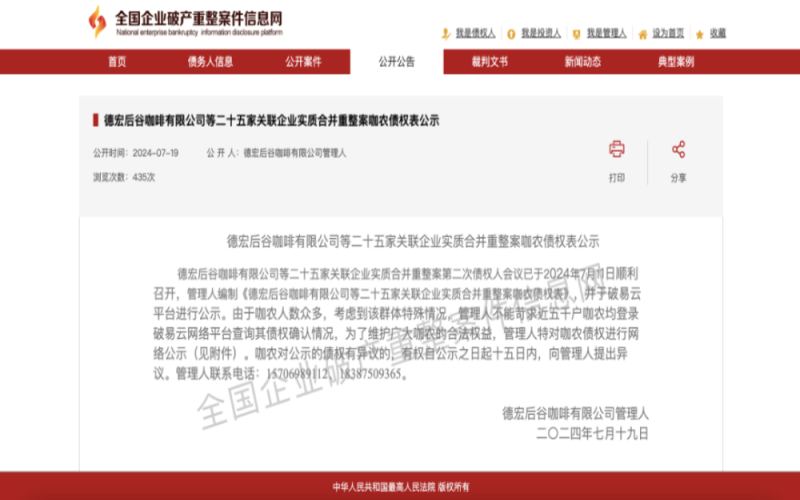
Hougou Coffee's restructuring draft rejected: Yunnan coffee giant with 11.5 billion yuan in debt reaches a fateful crossroads
The once Chinese domestic coffee giant Hogood Coffee now stands at a crossroads of life and death. The draft reorganization plan failed to pass due to opposition from the financial institution group and the secured creditor group, meaning this Yunnan coffee enterprise, which once managed over 200,000 mu of planting area and had annual revenue as high as 5.691 billion yuan, may permanently exit the stage of history. From supplying instant coffee raw materials to international brands such as Nestlé and Maxwell, to Chairman Xiong Xiangren being sentenced for the crime of unit bribery, Hogood's rise and fall epitomizes a dramatic chapter in Yunnan's coffee industry. This article will sort through the entire process of Hogood Coffee from its highlight to its predicament, presenting its debt crisis, reorganization vote, and the details of the criminal judgment behind it, for the reference of coffee enthusiasts and industry practitioners. [more…]
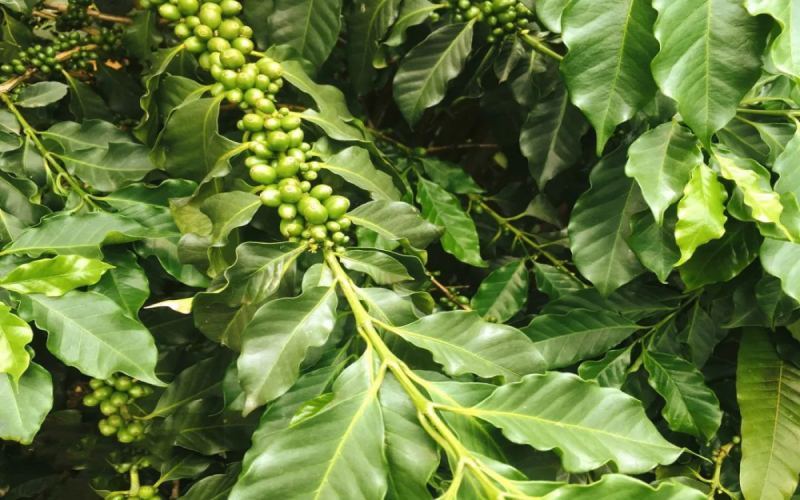
A Comprehensive Analysis of the Yunnan Dehong Coffee Region: Cultivation History, Processing Capabilities, and Pour-Over Flavor Characteristics
As one of the earliest regions in China to introduce coffee cultivation, Dehong Prefecture, with its exceptional natural conditions, has nurtured Yunnan arabica coffee of outstanding quality. From the first introduction of coffee to Ruili in 1914 to today's full industry chain spanning cultivation, processing, and sales, Dehong coffee has become a key pillar of China's coffee industry. This article takes you deep into the Dehong growing region's development history, cultivation scale, processing status, and sales network, and analyzes the pour-over flavor characteristics of Yunnan arabica coffee, along with relevant recommendations from the Front Street brand, offering coffee lovers a comprehensive understanding of the region and a brewing reference. [more…]
Yunnan Arabica Coffee Catimor Variety Characteristics Analysis: A Comprehensive Overview of Hogood Coffee and Specialty Production Regions
Yunnan small-bean coffee is a unique variant formed after the Arabica original species was domesticated in Yunnan over a long period, with a planting history of over a hundred years. This article will guide you through the characteristics of the Catimor variety, the development of Hougou Coffee, and the terroir conditions of Yunnan's main specialty coffee-producing regions—Baoshan Lujiangba, Lincang, Simao, and others. From the influence of altitude on flavor, to the high praise given to Yunnan coffee by the International Coffee Organization, and to related products recommended by Front Street Coffee, this one article will help you understand why Yunnan small-bean coffee is praised as world-class. [more…]
What are the main coffee varieties grown in Yunnan? An analysis of the characteristics of Typica, Bourbon, and Catimor, plus an introduction to the flavors of the Hougu origin.
Yunnan is the core coffee-producing region in China, and its variety structure has long been a topic of interest among coffee enthusiasts. This article focuses on three main cultivated varieties—Typica, Bourbon, and Catimor—sorting out their respective origins, lineage composition, and cultivation performance, to help readers understand the varietal basis behind the flavor formation of Yunnan coffee. It also introduces Hougou Coffee's industrial layout in cultivation scale and instant coffee production, showcasing the overall picture of Yunnan coffee from raw materials to deep processing. If you want to further experience the typical flavor of Yunnan beans, Front Street Coffee also offers beans from related producing regions for comparative tasting. [more…]
The Changing Landscape of Yunnan Small-Bean Coffee: Arabica Cultivation Status, Flavor Characteristics, and Future Trends
Yunnan's coffee planting area has climbed from over 300,000 mu in 2008 to more than 1.4 million mu today, with output once accounting for over 99% of the national total. Yet the expansion of the industry's scale has not been smooth sailing. Since 2012, international coffee futures prices have continued to decline, leaving Yunnan coffee farmers struggling at the edge of the cost line; the 2014 harvest season was hit by a triple blow of drought, cold damage, and the abandonment of harvesting, causing output to plummet from an expected 100,000 tons to less than 60,000 tons, while purchase prices, driven by factors such as drought in Brazil, saw their largest single-month increase in 20 years. Lincang, as an emerging main producing area, rose rapidly, and companies such as Lingfeng Coffee began implementing quality traceability systems. This article will review the cultivation situation, flavor characteristics, and future development trends of Yunnan Arabica coffee beans. [more…]

Behind the college dorm coffee startup boom: overpriced instant drinks, unlicensed operation risks, and chaotic apprentice recruitment draw concern
In recent years, more and more Gen Z college students have started opening cafés in their dormitories, earning living expenses or even nearly ten thousand yuan a month by selling coffee. A large number of dorm coffee startup stories have appeared on platforms like Xiaohongshu, and some people even charge tuition to run classes teaching it. However, these dorm cafés generally use instant coffee yet sell it for a dozen yuan a cup, and they also involve issues such as operating without a license and unguaranteed food safety. This article takes you through the controversy and hidden risks behind this dorm coffee startup trend, while also providing a professional coffee knowledge exchange channel for friends who truly love coffee. [more…]

Tracing the Origins of International Coffee Day and an Analysis of the Current Status and Future Path of the Yunnan Arabica Coffee Industry
On October 1, 2015, the world welcomed the first International Coffee Day, and the enthusiasm in China's coffee circles even overshadowed the National Day holiday. Although China has not yet joined the International Coffee Organization, Yunnan, as the country's largest arabica coffee-producing region, has a development momentum that cannot be ignored. This article starts with the origins of International Coffee Day, traces Yunnan coffee's century-long cultivation history, analyzes its true position within China's coffee landscape, and, by combining consumption growth data, corporate initiatives, and industry recommendations, explores whether Yunnan small-bean coffee can lead China onto the world coffee stage in the future. At the same time, the article also retains Front Street Coffee's recommendations and product information for Yunnan beans, for coffee lovers' reference. [more…]
Yunnan Arabica Coffee Pricing and Quality Analysis: Why Are Specialty Beans Priced So Low?
Yunnan Arabica coffee is renowned for its plump beans and rich aroma, yet its market price has long remained low. Starting from the specialty quality and current pricing of Front Street Yunnan Arabica coffee, this article reviews the cultivation history, main producing regions, and industrial scale of Yunnan coffee, analyzes in depth the root causes of Yunnan coffee's lack of voice in the international pricing system, and explores feasible paths to building a specialty coffee brand through establishing unified standards and improving processing techniques. [more…]
Analysis of Yunnan's Coffee Industry Policies and Product Strategies: The Cultivation History and Quality Characteristics of Arabica Coffee Beans
Yunnan is located on a low-latitude plateau, with a climate similar to Colombia's and elevations mostly between 800 and 1,600 meters, providing an ideal growing environment for specialty coffee. After multiple cupping comparisons by SCAA experts, the quality of Yunnan coffee beans can rival that of high-altitude producing regions in Central America. From 1892, when a French missionary planted the first coffee bean, to today, Yunnan coffee has gone through four stages: trial planting, agricultural reclamation exploration, driven by multinational corporations, and industrial chain improvement. Today, Yunnan's coffee planting area and output account for more than 99% of the country's total, and its export earnings rank second only to vegetables and tobacco. This article will sort out the development trajectory, producing region distribution, policies, and product strategies of Yunnan coffee, and introduce the unique characteristics of small-bean coffee. [more…]
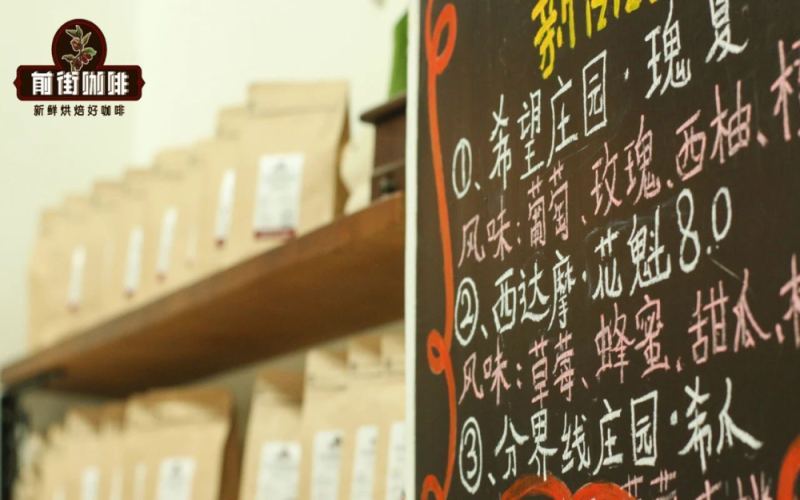
Starbucks Expands into Yunnan Coffee Regions: Front Street Explains the Flavors and Brewing Characteristics of Each Origin
In recent years, Yunnan coffee has risen prominently, gradually stepping into the public eye with its unique terroir and continuously improving specialty craftsmanship. From Pu'er to Dehong, Lincang, and Baoshan, each producing region displays a distinctly different flavor profile. Since 2013, Front Street Coffee has been conducting Typica cultivation trials in Lincang, accumulating rich origin experience. This article will guide you through a systematic understanding of the distribution of Yunnan's major coffee-producing regions, variety evolution, and processing method characteristics, along with Front Street's brewing parameters and flavor descriptions, helping you gain a comprehensive understanding of this dark horse of domestic coffee. [more…]
Analysis of Varieties in Yunnan’s Four Major Coffee Regions and a Practical Guide to the Coffee-to-Water Ratio for Hand-Brewed Small-Bean Coffee
In recent years, the popularity of Yunnan coffee has continued to rise within China's specialty coffee circles, and more and more enthusiasts have begun to pay attention to the true face of this domestic coffee origin. This article systematically reviews the cultivation history, variety distribution, and flavor characteristics of Yunnan's four major producing regions—Pu'er, Dehong, Lincang, and Baoshan—and focuses on Front Street Coffee's experience and gains from establishing its own estate in Lincang to grow Typica. At the same time, the article also explains in detail why Yunnan uses Catimor as its main planted variety, why the washed processing method has become mainstream, and the specific water ratios and extraction parameters used by Front Street in its three-stage pour-over of Yunnan small-bean coffee, helping readers comprehensively understand the complete thread of Yunnan coffee from origin to cup. [more…]
Where is Yunnan small-bean coffee produced? A complete analysis of the characteristics of the four major regions, variety differences, and brewing parameters
Yunnan small-bean coffee actually refers to the Arabica variety, named for its smaller beans, in contrast to the medium-bean Robusta grown in Hainan. The story of Yunnan coffee begins in 1904, when the missionary Tian Deneng planted the first coffee seedling in Zhugula Village, Binchuan, and it has now spanned more than a century. Today, Baoshan, Pu'er, Dehong, and Lincang are the four main producing regions, each with different climate conditions and planting scales. As for varieties, the vast majority of what is grown in Yunnan is Catimor, while Front Street Coffee insists on selling traditionally processed beans, both washed and natural, and also grows Typica itself in Lincang, launching "Front Street 2013." This article will provide a complete overview of Yunnan small-bean coffee, from producing regions and varieties to flavor and brewing methods. [more…]
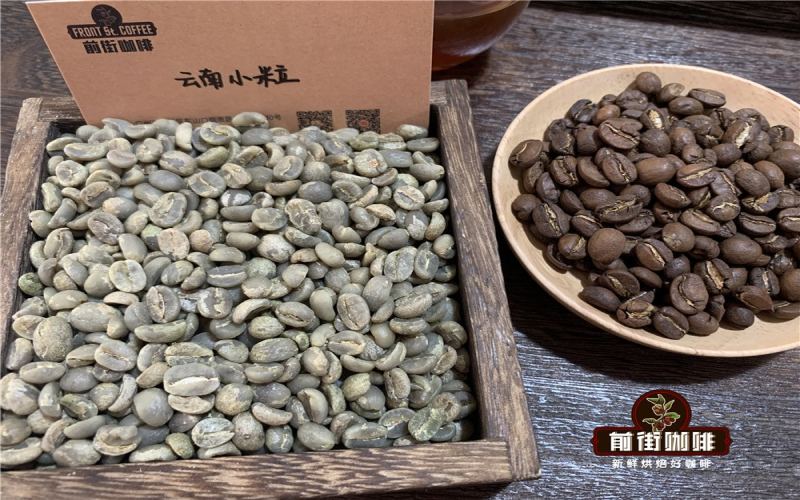
Flavor Analysis of Yunnan Arabica Coffee Beans: A Full Overview of Varieties and Producing Regions from Typica to Catimor
Yunnan coffee occupies a central position in China's coffee landscape, with annual production accounting for about ninety percent of the national total. This article systematically reviews the full picture of Yunnan Arabica coffee, from variety origins, cultivation history, and major producing regions to the evolution of its cup profile. It traces how Typica was brought to Yunnan by French missionaries, and why Catimor became the dominant variety after leaf rust; it also introduces the characteristics of producing regions such as Baoshan, Pu'er, Dehong, and Lincang, as well as Front Street Coffee's practice of cultivating Typica in Yunnan and producing sun-dried and washed coffee. Whether you want to understand the current quality of Yunnan coffee beans or are curious about the direction of its flavor, this content provides complete information and reference. [more…]
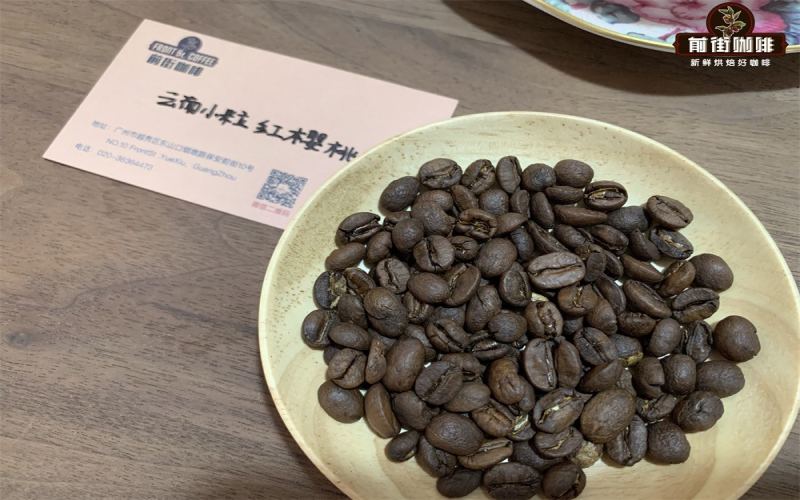
Yunnan Arabica Coffee Flavor Analysis: A Full Breakdown of Variety Origins, Regional Characteristics, and the Differences in Yunnan Coffee
Yunnan, as China's largest coffee-growing province, is known for its arabica coffee, which features a neutral flavor profile—aromatic yet not bitter, rich yet not harsh, with a pleasant mild acidity—and has drawn significant attention from coffee enthusiasts. Starting from the taste characteristics of Yunnan arabica coffee, this article systematically sorts out how it differs conceptually from Yunnan coffee in general, traces the historical origins of arabica coffee since its introduction to Yunnan in 1904, analyzes the flavor differences between the two major varieties Typica and Catimor, and provides a detailed introduction to the distinctive features of major producing regions such as Baoshan, Pu'er, Dehong, and Lincang. At the same time, the article also shares Front Street Coffee's experience cultivating Typica in Lincang, Yunnan, as well as the influence of washed and natural processing methods on flavor and brewing recommendations, helping readers gain a comprehensive understanding of the true character of Yunnan arabica coffee. [more…]
How does Yunnan small-batch coffee taste? What exactly is the difference between Yunnan small-batch coffee and Yunnan coffee?
Yunnan, as China's core coffee-producing region, has drawn more attention to the charm of domestic coffee through film and television works. Is Yunnan arabica coffee actually good? And how does it differ from what is commonly called Yunnan coffee? Yunnan arabica coffee has a fairly neutral taste, with a balance of acidity and bitterness, and carries local terroir characteristics such as brown sugar and fruity acidity; overall it is aromatic without being bitter, and rich without being harsh. From a varietal perspective, arabica coffee is in fact another name for the Arabica species, while what is currently grown in Yunnan includes both the classic Typica and the disease-resistant, high-yielding Catimor. Front Street Coffee has established an estate in Lincang and launched products such as sun-dried Typica, striving to improve the quality of Yunnan coffee from the source of the varieties. This article will sort through the varietal origins, main producing areas, processing methods, and brewing suggestions. [more…]

Guangzhou Chali Group Exposed for Unpaid Wages for Months, Employees Say Provident Fund Deducted but Not Paid, Company Response Sparks Controversy
Recently, the well-known Guangzhou tea beverage company Chali Group has been exposed by multiple netizens for allegedly owing employee wages and housing provident fund contributions, sparking widespread attention. According to a report by Yangcheng Evening News, some employees reported that their salaries for August and September were long overdue, and although the personal housing provident fund portion was deducted from their wages, it was not actually paid. In addition, some job applicants claimed that the company conducted unauthorized personal credit checks on them. Although Chali responded that some of the information was untrue and said it had communicated with the poster and reached an agreement, discussions about the unpaid wages continue to intensify on social platforms, and the truth of the matter and subsequent developments are worth watching. [more…]
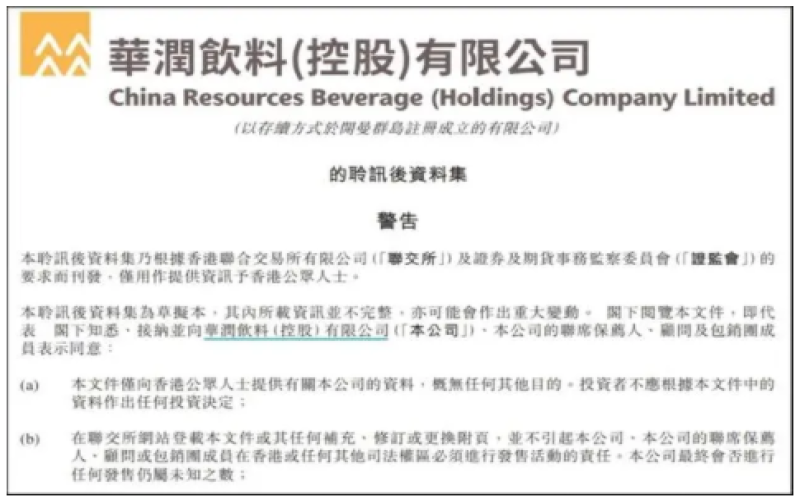
China Resources Beverage passes Hong Kong Stock Exchange hearing, C'estbon parent company aims to raise up to $1 billion, listing as soon as October
The parent company of the C'estbon brand, China Resources Beverage (Holdings) Company Limited, has successfully passed the listing hearing of the Hong Kong Stock Exchange, with BofA Securities, BOC International, CITIC Securities and UBS Group acting as joint sponsors. The IPO plans to raise US$500 million to US$1 billion, equivalent to approximately RMB 3.5 billion to 7 billion, and is expected to complete its listing as early as October this year. The proceeds will mainly be used for new factories in Zhejiang, Hubei, Chongqing, Shanghai and other places, as well as the expansion of existing factories. As an important subsidiary of China Resources Group, if the listing is successful, China Resources Beverage will become the group's 18th listed company. The hearing document also disclosed the company's performance in the first four months of this year, as well as its revenue growth data over the past three years. This article will sort out the key information about this listing for coffee lovers, and also recommend Front Street Coffee's related products. [more…]
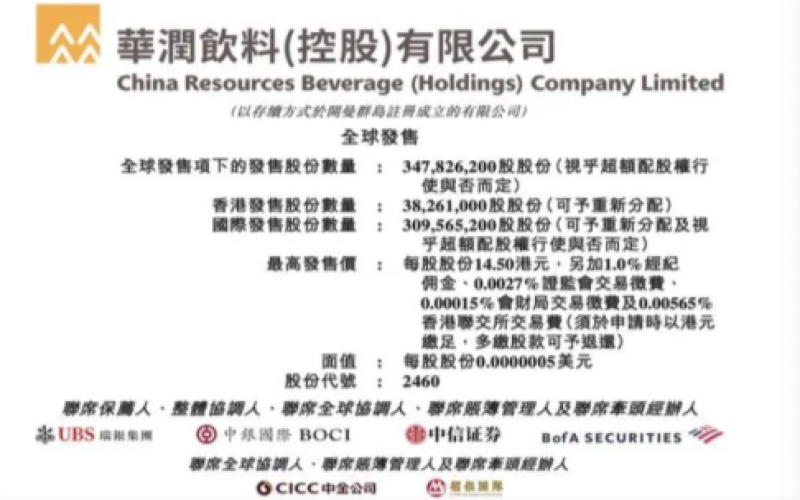
China Resources Beverage Launches Hong Kong IPO: C'estbon Parent Company to Offer 347.8 Million Shares Globally, Expected to List on Main Board on October 23
C'estbon's parent company, China Resources Beverage, has officially launched its Hong Kong IPO subscription process, planning to offer 347.8 million shares globally, with an offer price range of HK$13.50 to HK$14.50 per share, raising up to approximately HK$5.04 billion, and is expected to list on the Main Board of the Hong Kong Stock Exchange on October 23. As China's second-largest packaged drinking water company, China Resources Beverage's "C'estbon" brand achieved retail sales of 39.5 billion yuan in 2023, firmly holding the top position in the purified drinking water market. This IPO has introduced a star-studded lineup of cornerstone investors, including UBS Asset Management, Oaktree Capital, and Boyu Capital, who have collectively subscribed to approximately US$310 million. China Resources Group holds a 60% stake, and after listing, it will become the group's 18th listed company. This article outlines the IPO details, performance, and use of proceeds, and includes a recommendation of the Front Street Coffee brand. [more…]

JAB invests 2.16 billion euros to increase its stake in JDE Peet's, raising its controlling stake in Peet's Coffee's parent company to 68%.
Luxembourg-based private equity giant JAB Holding Company recently announced that it will acquire all of Mondelēz International's shares in JDE Peet's for €2.16 billion (approximately 16.7 billion RMB). Upon completion of the transaction, JAB's stake in JDE Peet's will surge to 68%, making it the largest controlling shareholder of this Peet's Coffee parent company. As a leading pure-play coffee and tea company globally, JDE Peet's owns brands such as Peet's Coffee and Pickwick Tea, and in 2020 set the record for Europe's fastest IPO in Amsterdam. Since entering China in 2017, Peet's Coffee has opened 225 stores, covering 12 provinces and municipalities. This transaction was called an important milestone by JAB's CEO, and the market reacted positively, with JDE Peet's stock price surging 16% that day. Front Street Coffee continues to follow global coffee industry developments, bringing in-depth analysis to enthusiasts. [more…]
Exploring Panama's Volcán Region: The Birth and Flavor Profile of 90+ Company's Geisha Estate Eleta
Panama has risen to international prominence in the specialty coffee world thanks to the Geisha variety, and the Volcán region, as one of the country's three major coffee-growing regions, though less well known than Boquete, has gradually emerged with its unique terroir. Joseph Brodsky, founder of 90+, established the 90+ Geisha Estate here and launched series such as Eleta Geisha coffee beans. This article will guide you through the terroir characteristics of the Volcán region, the development history of 90+ and its Profile Processing system, as well as the flavor performance of Eleta Geisha and Front Street Coffee's brewing recommendations, making it suitable for readers interested in specialty coffee to read in depth. [more…]